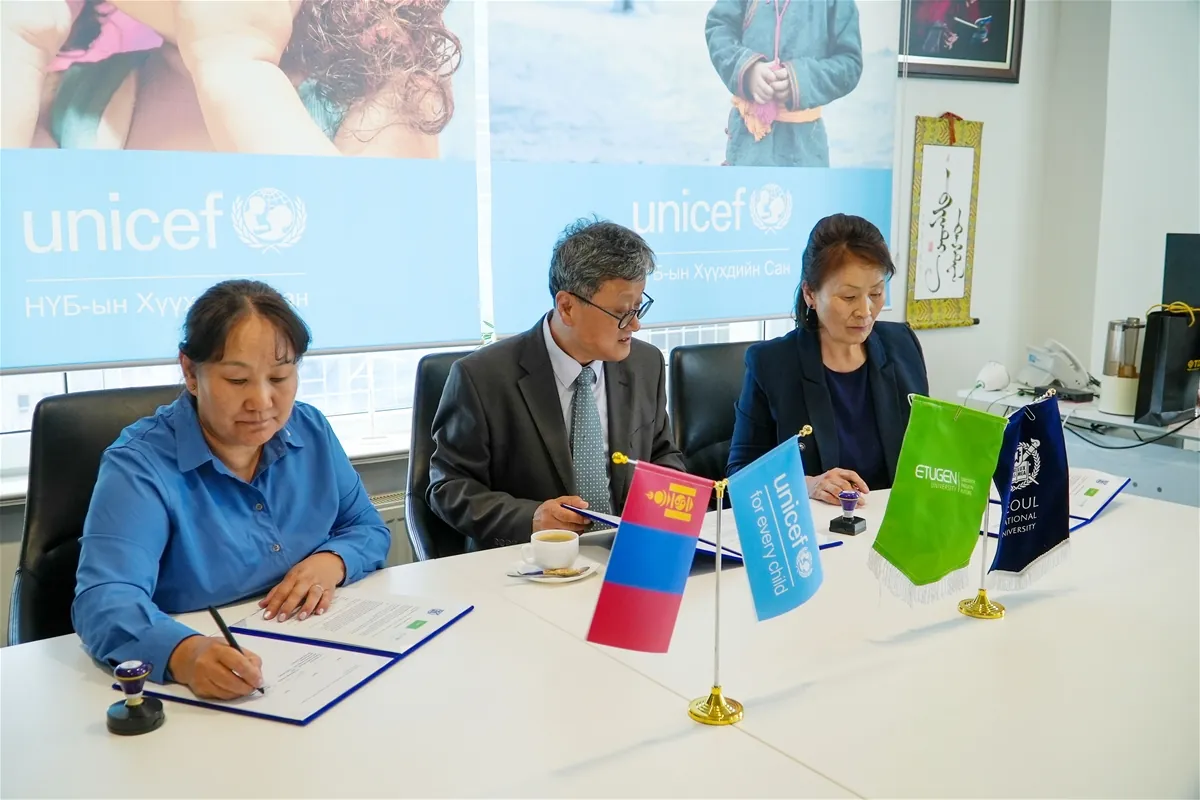
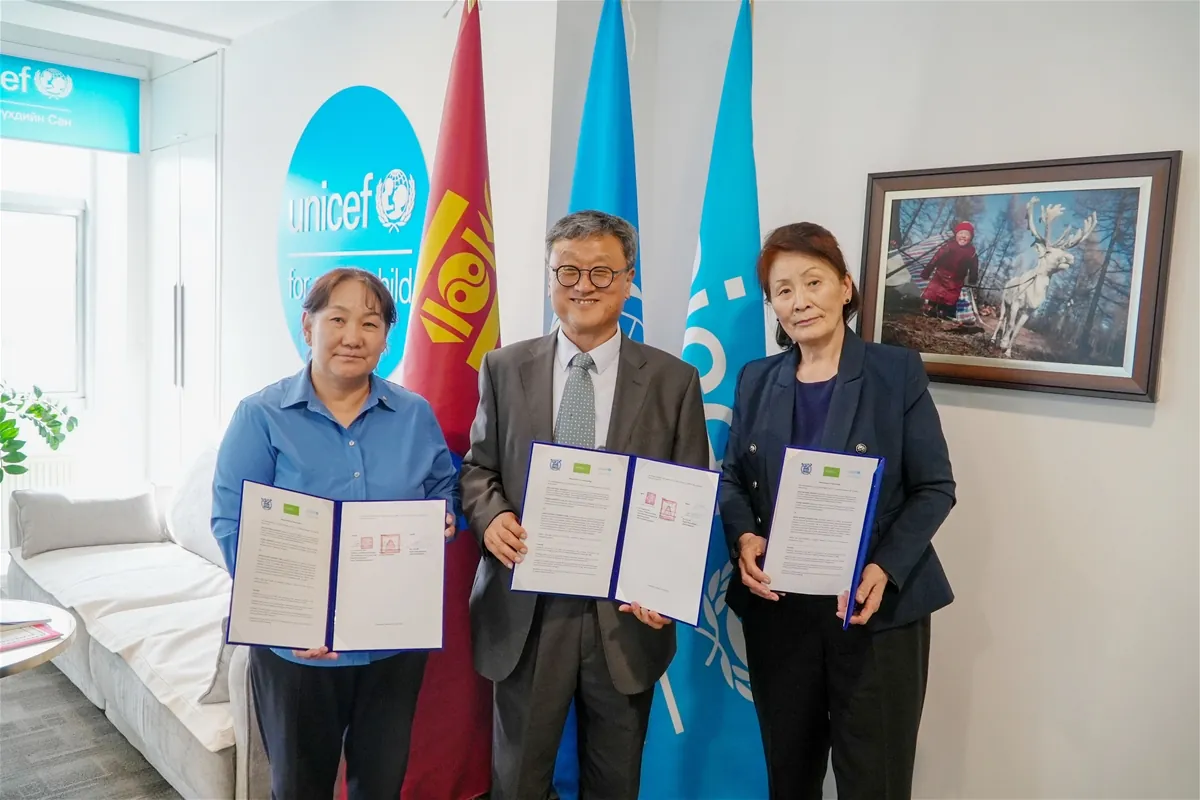
НҮБ-ын Хүүхдийн Сангийн Монгол дахь суурин төлөөлөгчийн газарт Этүгэн их сургуулийн “Цахим эрүүл мэндийн төв”, БНСУ-ын Сөүлийн Үндэсний их сургууль (SNU), НҮБ-ын Хүүхдийн Сан (UNICEF) дижитал эрүүл мэнд болон хиймэл оюуны чиглэлээр хамтран ажиллах тухай гурван талт хамтын ажиллагааны санамж бичигт 2026 оны тавдугаар сарын 20-ны өдөр гарын үсэг зурлаа.
Санамж бичигт Сөүлийн Үндэсний их сургуулийг төлөөлөн профессор Hong-Gee Kim, Этүгэн их сургуулийг төлөөлөн ректор, доктор, профессор Б.Батсэрээдэнэ, НҮБ-ын Хүүхдийн Сан Монгол дахь суурин төлөөлөгчийн орлогч Yan Mu-г төлөөлөн Д.Амараа гарын үсэг зурж, хамтын ажиллагааг албан ёсоор баталгаажуулав.
Гарын үсэг зурах ёслолд Этүгэн их сургуулийн “Цахим эрүүл мэндийн төв”-ийн захирал, БНСУ-ын Самсунг корпорацийн эмнэлгийн дижитал эрүүл мэндийн эрдэмтэн, Этүгэн их сургуулийн 2015 оны төгсөгч Б.Баярбаатар, НҮБ-ын Хүүхдийн Сан эрүүл мэндийн ахлах мэргэжилтэн Ч.Батаа, Этүгэн их сургуулийн Сургалт эрхэлсэн дэд захирал, дэд профессор Ц.Мөнгөнцэцэг болон байгууллагын төлөөлөгчид оролцов.
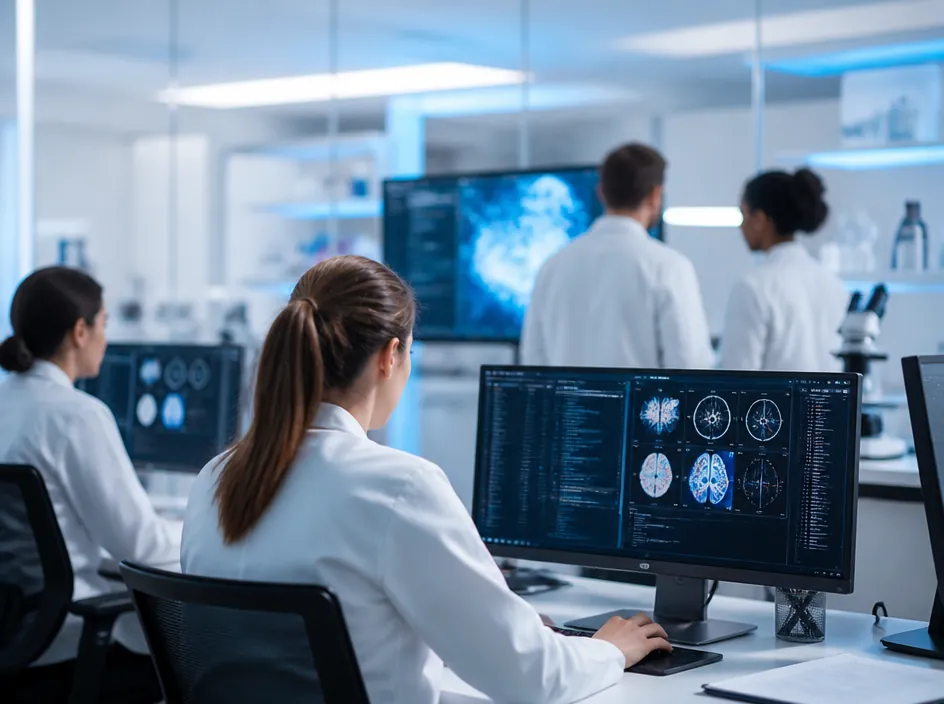
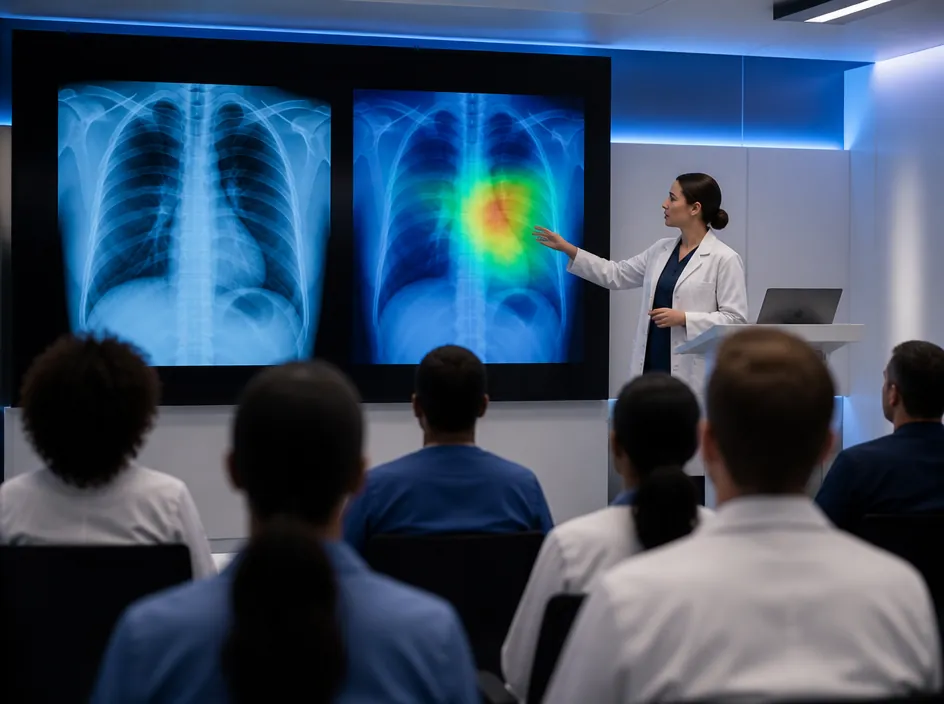
Энэхүү хамтын ажиллагаа нь Этүгэн их сургууль, Сөүлийн Үндэсний их сургуулийн “Цахим эрүүл мэндийн төв” (Center for Digital Health)-ийг түшиглэн хэрэгжихээр төлөвлөж байна. Тус төв нь Монгол Улсын эрүүл мэндийн салбарын үр дүн, үйлчилгээний чанарыг сайжруулах зорилгоор дижитал эрүүл мэнд, анагаах ухаан дахь хиймэл оюун, эрүүл мэндийн өгөгдлийн шинжлэх ухааны чиглэлээр судалгаа, сургалт, инновацын үйл ажиллагааг хөгжүүлэхэд чиглэн ажиллах юм.
Талууд хамтын ажиллагаагаа хүүхдийн эрхийг дээдлэх, Тогтвортой хөгжлийн зорилтууд-2030-ыг хэрэгжүүлэх, нийгмийн үйлчилгээний чанар, хүртээмжийг нэмэгдүүлэх, эмэгтэйчүүд, хүүхдүүдийн эрүүл мэнд, сайн сайхан байдлыг дэмжих зарчимд тулгуурлан хэрэгжүүлэхээр тохиролцов.

Санамж бичгийн хүрээнд дижитал эрүүл мэнд, эрүүл мэндийн информатик болон хиймэл оюуны салбарын хамтарсан судалгаа, туршилтын төслүүд хэрэгжүүлэх, сургалтын хөтөлбөр, семинар, воркшоп зохион байгуулах, нээлттэй эхийн эрүүл мэндийн технологи хөгжүүлэх, эрдэм шинжилгээний хурал, бодлогын хэлэлцүүлэг зохион байгуулах, судалгааны санхүүжилт, багш, судлаач солилцох зэрэг олон чиглэлээр хамтран ажиллана.
Энэхүү хамтын ажиллагаа нь Монгол Улсад цахим эрүүл мэндийн тогтолцоог бэхжүүлэх, эрүүл мэндийн салбарын хүний нөөцийн чадавхыг нэмэгдүүлэх, орчин үеийн технологи, хиймэл оюуны шийдлүүдийг нэвтрүүлэхэд чухал хувь нэмэр оруулах ач холбогдолтой юм.